American Spaces at the U.S. Embassy in Ghana, has brought students, coaches, athletes and sports enthusiasts together for a film screening and discussion of ‘Coach Carter’, highlighting the importance of balancing sporting talent with education, discipline and personal development.
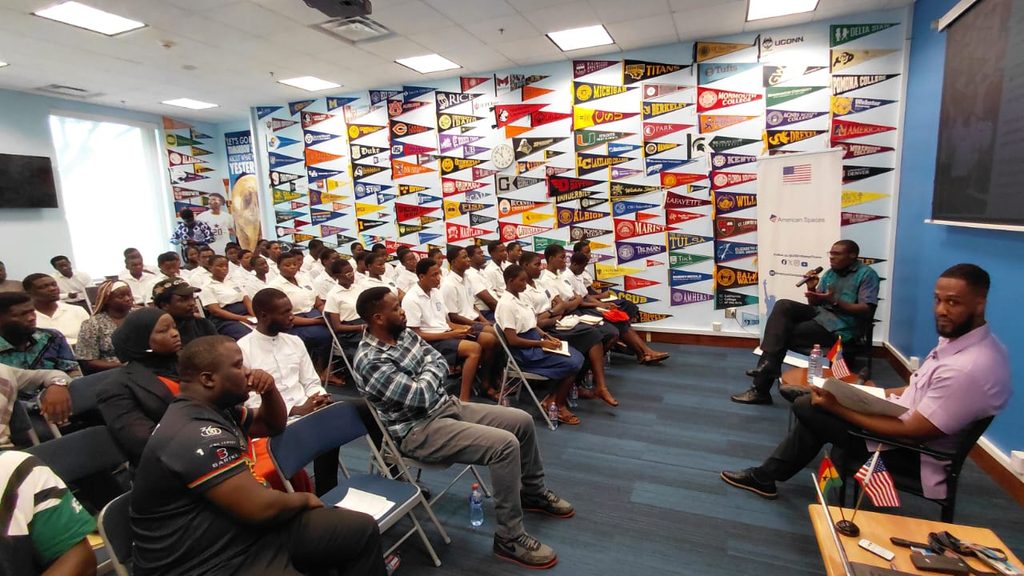
The event, held on Tuesday, November 24, 2026, at the U.S. Embassy in Ghana, featured a screening of the 2005 sports drama, followed by an interactive discussion on the lessons from the movie and their relevance to the development of young people and sports in Ghana.
The discussion was facilitated by Nii Tetteh Nettey, Public Engagement Specialist at the U.S. Embassy in Accra, with contributions from Marshall Nortey, a Ghanaian sports professional, Senior Sports Instructor and Rugby League Coach at the University of Ghana.
Students from Labone Senior High School joined about 30 other participants from the community, including coaches, athletes and sports enthusiasts, for the programme.
The film, which tells the story of basketball coach Ken Carter and his determination to prioritise his players’ academic performance alongside their sporting achievements, provided a platform for conversations about discipline, leadership, mentorship and the importance of education in shaping the future of student-athletes.
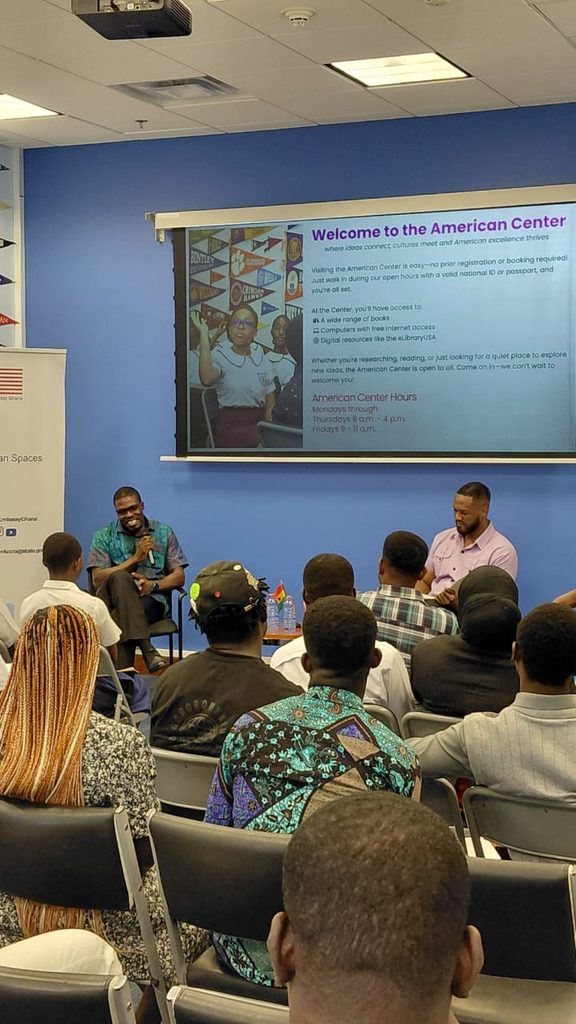
Speaking after the programme, Hannah Fitter, Regional Public Engagement Specialist at the U.S. Embassy in Accra, described the event as exciting and commended participants for their thoughtful contributions.
“It was so exciting. We welcomed students from Labone Senior High School, as well as about 30 guests from the community, including coaches, athletes and sports enthusiasts, to watch Coach Carter together and have a brief discussion afterwards,” she said.
She noted that one of the most interesting aspects of the discussion was the students’ interest in finding mentors who could guide them in navigating the relationship between education and sports.
“I found it really interesting that the students asked questions about how they could find mentors to help them navigate the intersection of education and sports, so they can develop and grow as individuals. There were also questions from the coaches themselves about how they could build their capacity to become better mentors to students,” Fitter added.
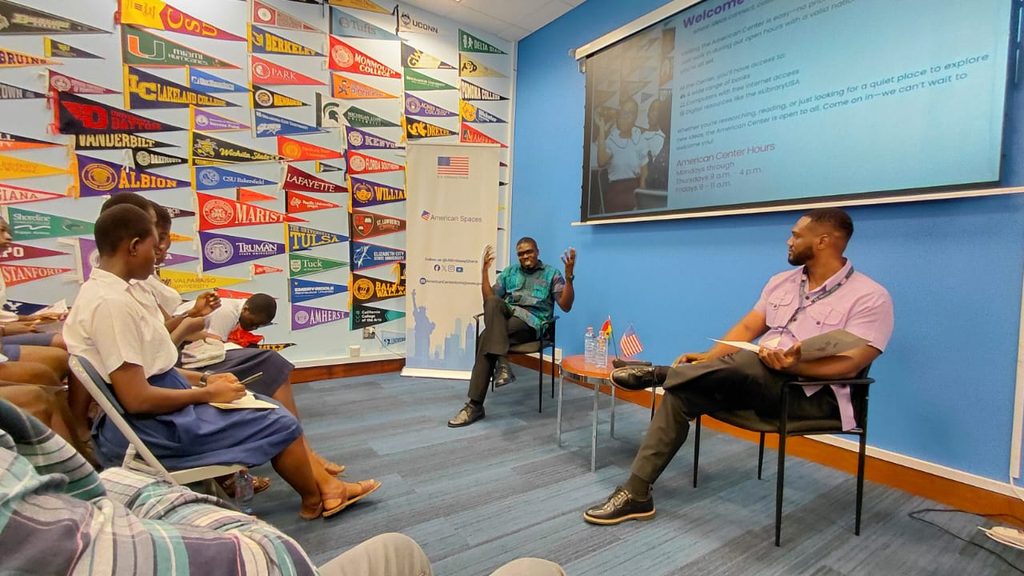
She explained that the programme provided an opportunity for people of different generations and professional backgrounds to learn from one another. “It’s a nice intergenerational event that helps Ghanaians from different sectors grow as a community and as individuals,” she said.
Fitter further explained that although American Spaces frequently engages students through its activities at the American Center, the initiative also seeks to attract a diverse audience.
“We invite students frequently to our events here at the American Center, but we are also very eager to have a diverse group of audience members. If we have a film about sports, it is important for students to learn how sports can help them grow in life and dream big. But we also want others within the community to benefit, including semi-professional and professional athletes and those involved in sports governance in Ghana,” she said.
“We like to have different parts of the sector involved so that the programme can contribute to Ghana’s development as a whole,” she added.
Also speaking after the screening, Marshall Nortey described the programme as successful, praising participants for their insightful questions and active contributions to the discussion.
“The watch party has been very successful. We had very pertinent and insightful questions from the students and other participants, and everyone who took part contributed meaningfully to the discussion,” he said.
Nortey said Coach Carter was an important film for encouraging young people, particularly student-athletes, to understand that sporting talent and physical ability alone are not enough to secure a successful future.
“With regard to helping and propelling our students into sports development, Coach Carter is an excellent model for communicating this message. It helps students, especially student-athletes, understand that it is not just about their talent and skills, but also about what happens after school and when that talent or physical ability is no longer there,” he explained.
He emphasised the importance of combining education with sporting ambitions, noting that both should complement each other in preparing young people for the future. “The message is that we must get an education, combine it with our sporting abilities and grow together. At the end of the day, it will count, and it will be worth it that we pursued both education and sports,” Nortey added.
At the heart of ‘Coach Carter’ is the message that success goes beyond winning games and collecting trophies. It also involves developing character, taking responsibility, maintaining discipline and preparing for the future.
The film demonstrates that young people have identities and potential beyond their sporting abilities and that education can provide them with opportunities long after their athletic careers have ended.
The discussion therefore reinforced the need for stronger mentorship structures and collaboration among students, coaches, athletes and other stakeholders to support the holistic development of young people in Ghana.
Through initiatives such as the film screening, American Spaces continues to create platforms for dialogue, learning and community engagement, using film and shared experiences to stimulate conversations around issues that affect individuals and society.
By: Victoria Kwofie